







Message from the Chief Resident:
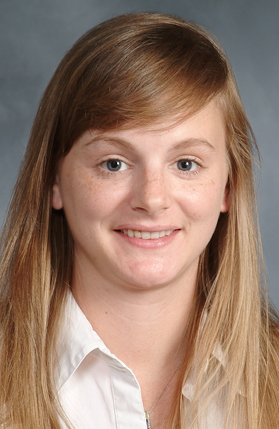
Paula Ginter, MD
Chief Resident
There are numerous benefits of training at Cornell. In surgical pathology, we have a high volume of specimens and work with expert faculty. Because of those factors, we have the ability to divide our surgical pathology training into subspecialty rotations. For example, you may start out your first year with four weeks of gastrointestinal pathology, during which time you will gross, preview, and sign out only GI specimens. This concept of subspecialty rotations not only creates a focused, in depth learning environment, but also ensures that you will be signing out with attendings who are experts in that particular field. Similarly, on our clinical pathology rotations we start each subspecialty with a two month rotation. We interact with clinicians constantly about a wide range of topics and we are able to use our clinical judgment to recommend or approve laboratory tests, with back-up when necessary from our knowledgeable and enthusiastic attendings.
Our program also allows us to tailor our training to fit our career goals. We can choose elective rotations as soon as our first year which gives us early exposure to additional subspecialties. Senior residents can use elective time for research and junior attending rotations to further develop their academic and clinical skills. These advantages help our residents secure competitive fellowships and many residents even stay at Cornell for their fellowship training. Other benefits of our program include financial support to buy books and travel to conferences and personal workspace for each resident, including individual desks, microscopes, and computers.
Another important reason I chose Cornell was the residents. Our residents have a variety of academic and clinical interests, but the bottom line is that we all work hard. There is always another resident around if you have a question about a specimen, need to switch calls, or just want to take a quick coffee break. It really makes life easier when you have the support of your fellow residents. We also know how to enjoy our time off. Most of us live in the resident housing, conveniently located right next to the hospital, so it is easy to get together outside of work. Friday happy hours happen regularly. There even have been recent weekend paintball and skiing trips.
Finally, training in New York City is definitely a unique experience. The hospital and the resident housing are located on the Upper East Side, which is a quieter residential neighborhood, but there are still plenty of local restaurants, bars, and shops to experience. Central Park is only a few blocks away. It's easy to travel by subway or bus to other parts of Manhattan for theaters, sports events, and restaurants with any type of food you can imagine. There is always something to do so you'll never be bored.
These are just a few of the reasons why I chose Cornell and why I think it's an outstanding place to train for a career in pathology. If you have any questions, please don't hesitate to contact me at [email protected].
 Sincerely,
Paula Ginter, MD
Chief Resident 2013-2014

